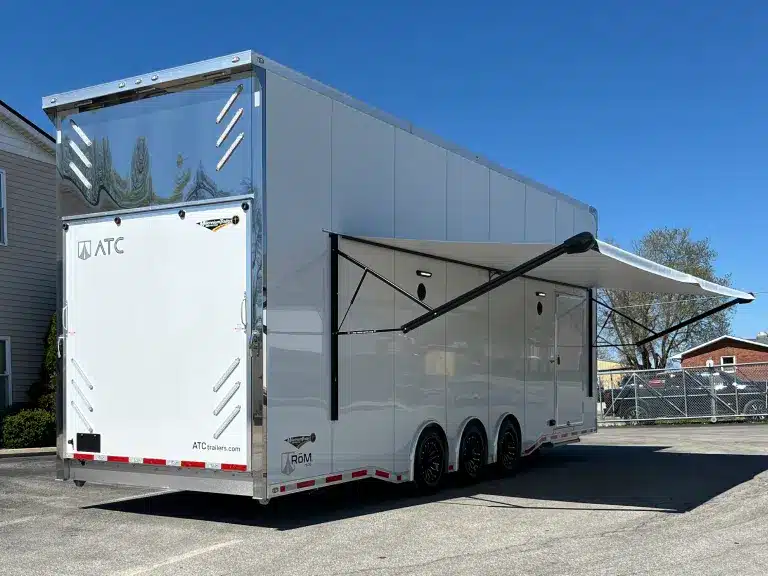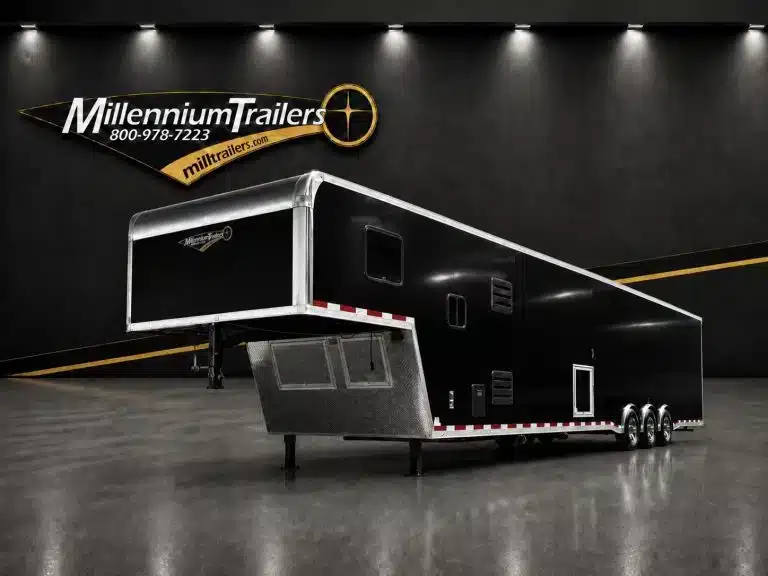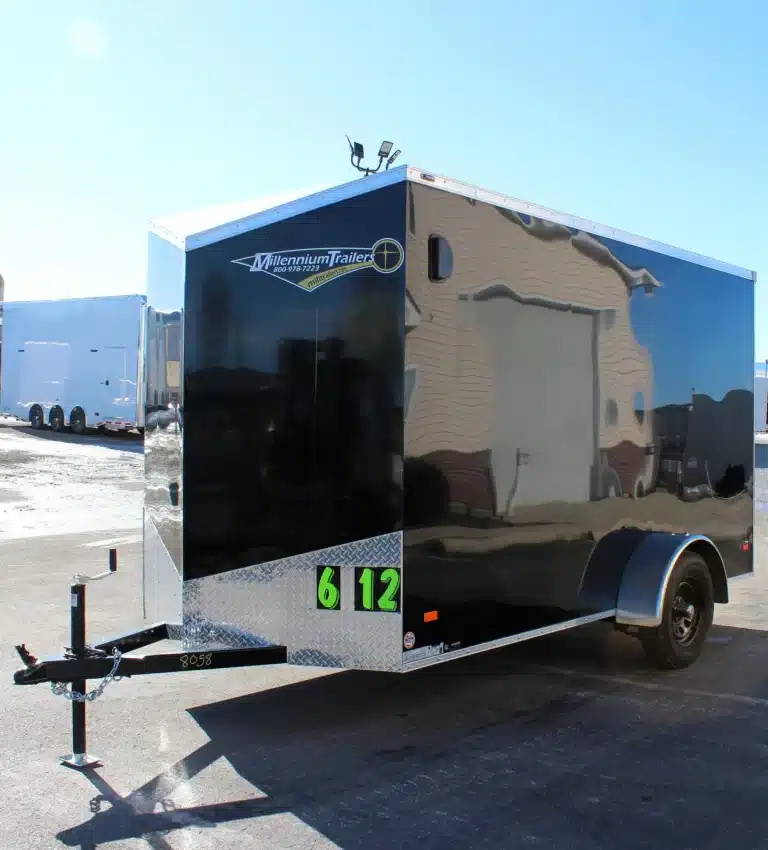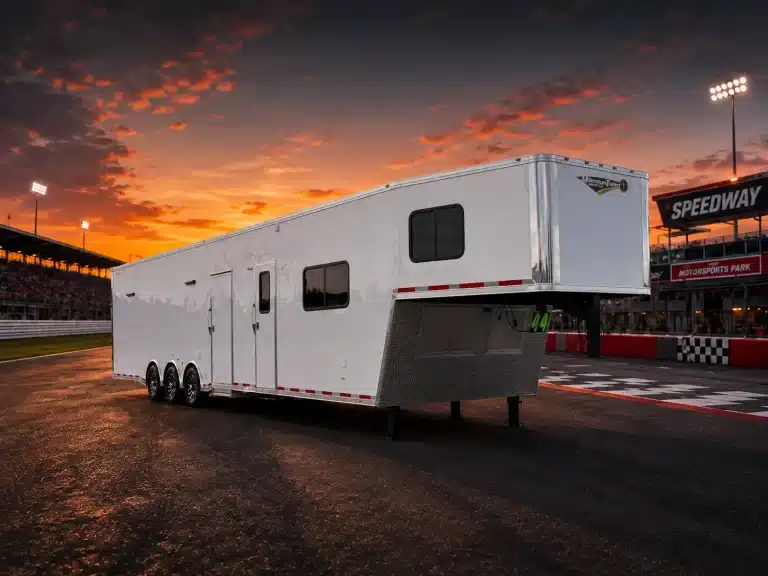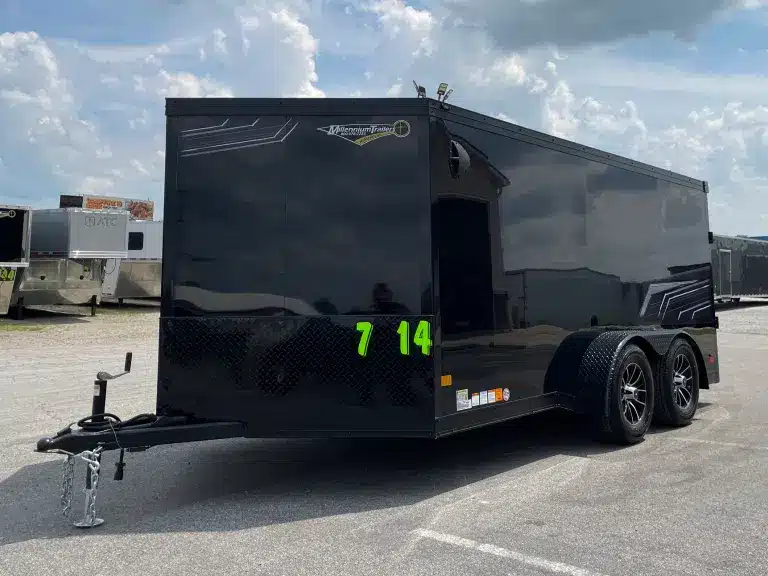

A stacker trailer is a major investment, often used to transport high-value vehicles, equipment, or entire racing setups. Because of the added complexity of lift systems, reinforced frames, and higher load demands, regular maintenance must be performed to keep your trailer safe and road-ready.
Whether you use a standard enclosed model or a fully equipped living quarters setup, these stacker trailer maintenance tips will help extend lifespan and prevent costly breakdowns.
Why Stacker Trailer Maintenance Matters
Unlike standard trailers, stackers include additional mechanical systems that require attention, such as:
- Hydraulic or electric lift systems
- Reinforced suspension components
- Higher-capacity axles and braking systems
- Electrical systems for lighting, charging, and interiors
Neglecting maintenance doesn’t just reduce performance; it can directly affect safety when hauling multiple vehicles.
Essential Stacker Trailer Maintenance
Stacker trailers place more demand on their major systems than standard trailers because they carry heavier loads, use lift mechanisms, and often include more complex electrical and structural components.
Organizing maintenance around the key systems of the trailer makes it easier to stay ahead of wear, reduce the risk of roadside issues, and protect the trailer over the long term.
Inspect the Lift System Regularly
The lift system is one of the most important components of any stacker trailer and should be checked regularly.
When performing maintenance checks, look for the following signs:
- Hydraulic fluid leaks or pressure loss
- Smooth raising and lowering operation
- Worn cables, pulleys, or chains
- Electrical responsiveness (for electric lifts)
Even small inconsistencies in lift performance should be addressed immediately, as failure under load can cause serious damage.
Monitor Stacker Trailer Weight and Load Balance
Weight and load balance affect far more than towing. They also have a direct impact on frame stress, axle wear, brake performance, and tire life. Overloading or placing too much weight unevenly across the trailer can accelerate wear across multiple systems.
That’s why it’s important to:
- Weigh your trailer when fully loaded
- Confirm proper vehicle positioning on each level
- Keep heavier items low and centered
A balanced load reduces unnecessary strain and supports safer towing.
Maintain Tires and Wheel Systems
Tires and wheel systems carry the full combined weight of the trailer and its cargo, so they should be checked before every trip. Routine checks should include:
- Tire pressure (before every trip)
- Sidewall cracking or bulging
- Tread wear patterns
- Lug nut torque levels
Consistent tire maintenance helps improve safety and reduce the risk of roadside breakdowns.
Inspect Brakes and Bearings Frequently
Because stacker trailers often haul more weight than standard enclosed trailers, their braking systems work harder on every trip. Signs of trouble can include:
- Delayed or uneven braking response
- Excess heat at hubs after travel
- Unusual noise during braking
- Brake controller inconsistencies
Wheel bearings should also be cleaned, greased, and inspected at regular intervals, especially if the trailer is used heavily or exposed to different weather conditions throughout the year.
Electrical System Checks
Many stacker trailers rely on more complex electrical systems than standard trailers. These may support interior lighting, lift systems, charging ports, brake lights, and signal lights. This is why it’s important to:
- Test all lights before every trip
- Inspect wiring for wear or corrosion
- Ensure battery systems are charged and secured
- Replace damaged connectors immediately
Electrical issues are a common source of towing problems, so routine checks are worth the time.
Clean and Protect the Interior and Exterior
Road debris, dirt, oil, and moisture can all wear down the trailer over time if allowed to accumulate.
Here are some best practices on how to maintain your stacker trailer’s interior and exterior:
- Wash exterior panels regularly to prevent corrosion
- Clean garage floors to remove oil, dust, and debris
- Inspect seals around doors and vents
- Keep living quarters dry and ventilated
For trailers with living quarters, keeping the interior dry and properly ventilated is especially important to prevent moisture-related damage.
Check Hitch, Coupler, and Safety Systems
The connection between the trailer and the tow vehicle needs to remain secure at all times. Regular inspection should include the:
- Coupler locking mechanism
- Safety chains and attachment points
- Breakaway system functionality
- Hitch alignment and wear
Problems in this area can create serious risks during sudden braking, uneven road conditions, or emergency maneuvers, so these components should never be overlooked.
Don’t Ignore Suspension and Frame Wear
Stacker trailers place greater stress on suspension and frame components due to their size and weight.
During maintenance, look for signs of developing problems, such as:
- Uneven ride height
- Cracked welds or frame stress points
- Worn bushings or shocks
- Sagging under load
Catching this type of wear early can help prevent larger structural repairs and extend the life of the trailer.
Maintenance Schedule Checklist
A regular maintenance schedule helps catch wear early and reduces the risk of towing, lift, or brake issues later. While exact intervals depend on how often the trailer is used and how much weight it carries, the checklist below provides a practical baseline.
Before Every Trip
- Check tire pressure and overall tire condition
- Test brake lights, turn signals, and other exterior lighting
- Inspect the hitch, coupler, safety chains, and breakaway system
- Confirm proper brake response before towing
Monthly
- Inspect the lift system for leaks, wear, or inconsistent operation
- Check wiring, battery condition, and electrical connections
- Review load placement and overall balance when the trailer is in use
Every 6 to 12 Months
- Service and inspect wheel bearings
- Inspect the full brake system for wear and performance
- Assess the frame, suspension, and major structural components for signs of stress or damage
Frequently Asked Questions (FAQs)
How often should a stacker trailer be serviced?
Basic inspections should be done before every trip, with full servicing at least once or twice a year, depending on usage.
What is the most important part of stacker trailer maintenance?
The lift system and braking components are subject to the most mechanical stress.
Does the stacker trailer’s weight affect maintenance needs?
Yes, heavier loads increase wear on tires, brakes, suspension, and structural components.
Keep Your Trailer Ready for Every Haul
A well-maintained stacker trailer performs better, lasts longer, and keeps your vehicles safer on the road. By staying consistent with inspections and addressing small issues early, you reduce downtime and avoid expensive repairs.
At Millennium Trailers, we build stacker trailers designed for durability and real-world use, but long-term performance ultimately depends on proper care.
If you need advice on maintaining your current setup or choosing a new trailer built for easier upkeep, our team is here to help. Contact us today!