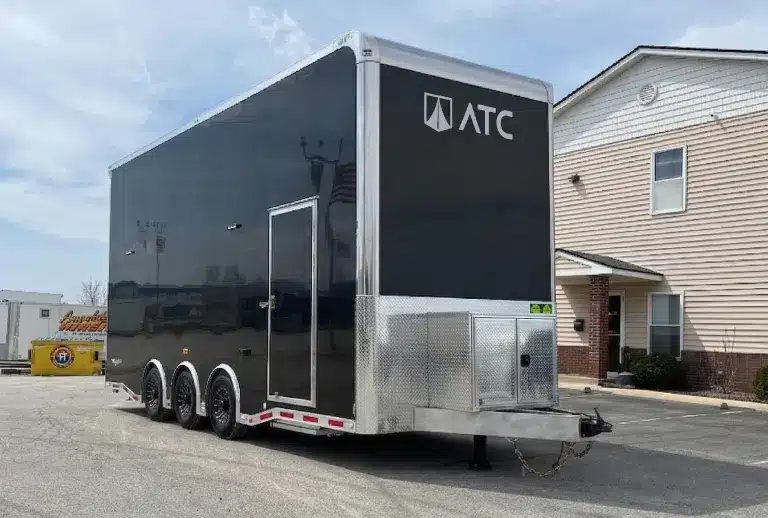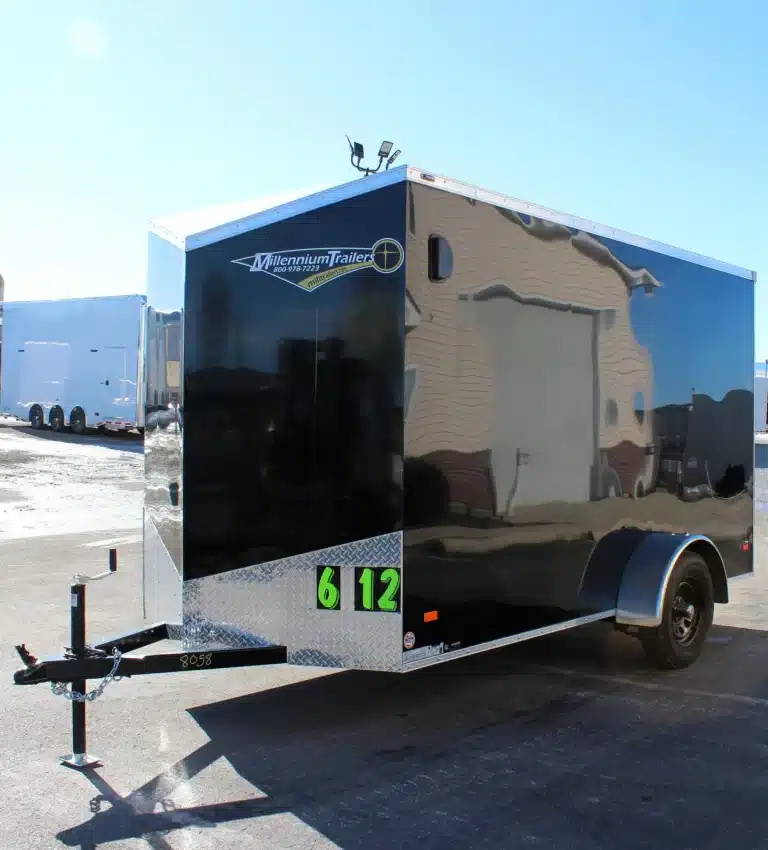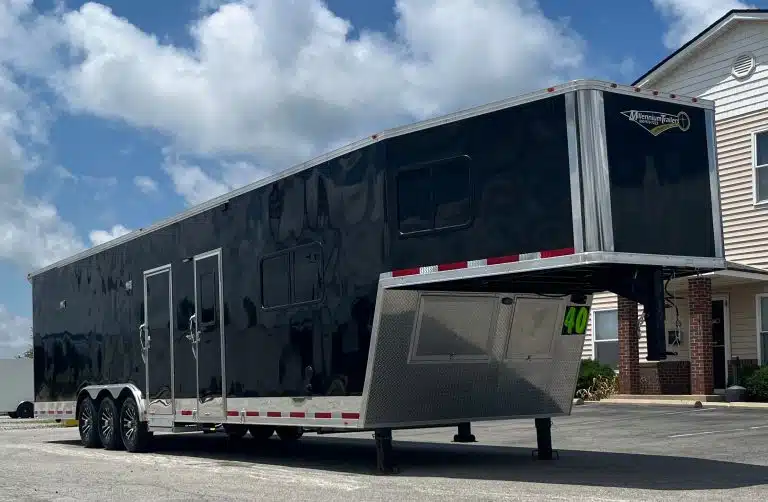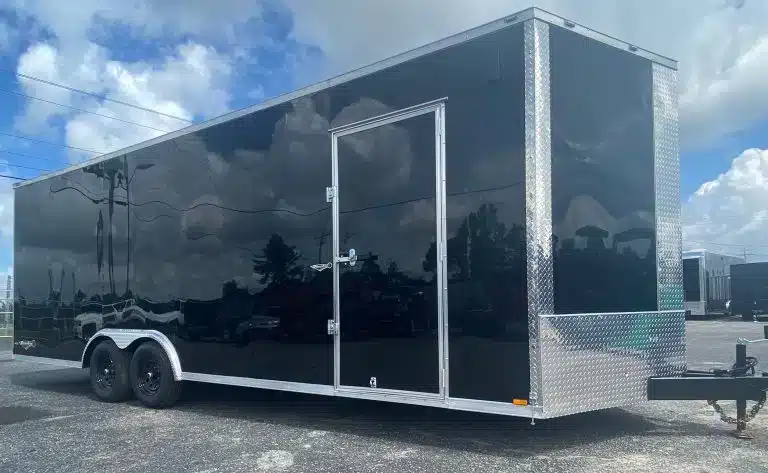


As your vehicle collection grows, so does the challenge of transporting it safely and efficiently. Whether you’re moving classic cars, race vehicles, or high-value collectibles, choosing the right stacker trailer becomes a critical decision, not just for convenience, but for protection and long-term usability.
So, how do you decide which setup is right for you? The answer comes down to capacity, weight, configuration, and how you plan to use the trailer.
How Many Vehicles Do You Need to Move?
The first and most important question is simple: how many vehicles are you transporting? Depending on your needs, your choice will come down to the following:
2-Car Stackers: Compact and Efficient
A 2-car stacker trailer is often the most practical starting point for private owners and smaller collections. It gives you the benefits of stacked transport without moving into a much larger commercial-style trailer.
This type of setup often works well for:
- Small private collections
- Race cars with support vehicles
- Mixed-use hauling (car + equipment or spares)
A 2-car stacker is typically easier to tow, store, and use regularly. For many owners, it offers the best balance between capacity and convenience.
4-Car Stackers: Maximum Capacity for Serious Collections
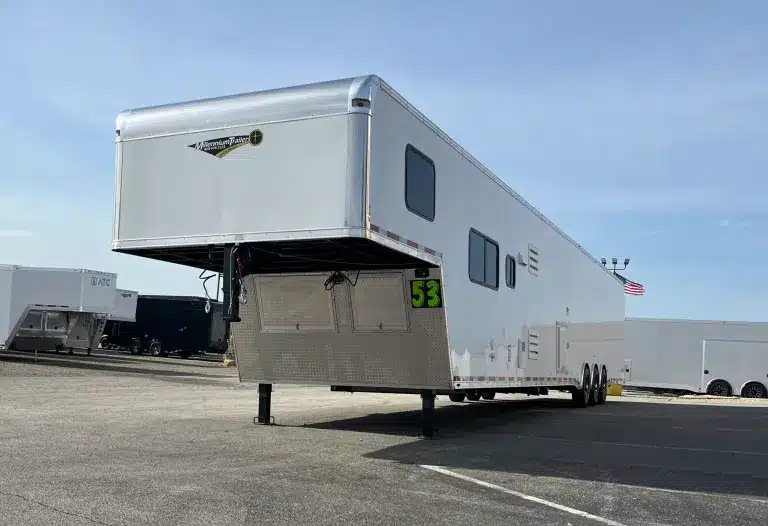
A 4-car stacker trailer is built for larger collections and more demanding transport needs. This type of trailer is more common when capacity is a priority and the owner needs to move multiple vehicles in one trip.
These trailers are often used by:
- Motorsport teams
- High-end car collectors
- Auction and dealership transport
- Multi-vehicle event logistics
The advantage of a four-star stacker trailer is obvious: more capacity in one trailer. But that added capacity also brings more demands in terms of tow vehicle requirements, licensing, storage, maneuverability, and operating cost. A larger trailer only makes sense if the rest of the setup can support it properly.
Trailer Weight Matters More Than Many Buyers Expect
One of the most important parts of the decision is trailer weight. This is often where buyers underestimate the difference between a standard enclosed trailer and a stacker.
Stacker trailers are heavier because they are built to handle multi-level loading. That usually means reinforced framing, lift systems, heavier-duty axles, upgraded suspension components, and additional structural support throughout the trailer.
As a result, buyers need to think about more than payload alone. The real question is how the trailer’s empty weight and loaded weight fit within the limits of the tow vehicle and the overall transport setup.
Before selecting a trailer, always calculate:
- Total trailer weight (empty)
- Combined vehicle weight (loaded)
- Equipment, tools, and fuel onboard
This ensures you stay within safe operating limits and avoid overloading your setup.
What to Look for in Stacker Trailer Manufacturers
Not all builds are created equal, which is why choosing the right stacker trailer manufacturer is just as important as choosing the trailer itself.
When evaluating manufacturers, look for:
Structural Engineering Quality
A well-built stacker trailer should feel engineered from the frame up. Pay attention to frame construction, reinforcement, lift integration, and how the trailer is designed to handle weight distribution under load.
Customization Options
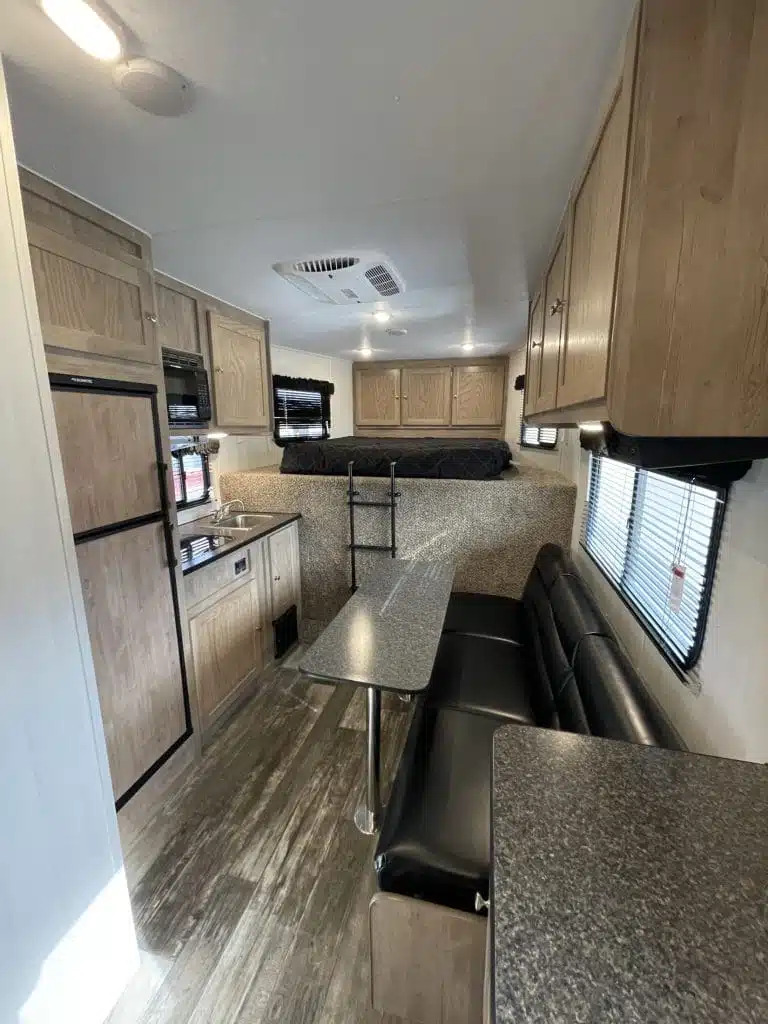
Not every collection or transport need is the same. Strong manufacturers offer enough flexibility to match trailer layout, storage, loading configuration, and optional living space to the way the trailer will actually be used.
Build Reputation
Look beyond brochures and spec sheets. Experience with motorsports, collector transport, and long-haul use says a lot about how a trailer is likely to perform over time.
A good stacker trailer should feel purpose-built, not pieced together around marketing claims.
Matching Trailer Size to Tow Vehicle Capability
A stacker trailer is only as practical as the truck pulling it. Buyers sometimes focus heavily on trailer capacity and overlook the demands that a larger build places on the tow vehicle.
That mismatch can create problems quickly. Even a well-built trailer becomes difficult to use if the truck is under-equipped for the load.
When comparing trailer options, look closely at:
- Tow rating and axle limits
- Hitch type and frame reinforcement
- Braking system compatibility
- Fuel efficiency and range under load
A 2-car stacker may work comfortably with a setup that would be pushed too far by a 4-car trailer. Moving up in trailer size should always involve a realistic review of the full towing package.
Storage, Usage, and Real-World Practicality
Beyond specs, think about how you’ll actually use the trailer.
Ask yourself:
- Will it be stored indoors or outdoors?
- How often will you load and unload vehicles?
- Are you traveling short distances or cross-country?
- Do you need quick setup or long-haul efficiency?
This is where a smaller stacker often has an advantage for private owners. A 2-car trailer may offer more flexibility and easier ownership, while a 4-car stacker may be the better fit for high-volume, planned transport where capacity drives the decision.
Key Decision Factors at a Glance
When buyers compare stacker trailers, it is easy to focus solely on size. But the right choice is usually a balance between several factors working together, such as the following:
- Vehicle capacity (2-car vs 4-car stacker trailer)
- Stacker trailer weight and tow limits
- Manufacturer reputation and build quality
- Intended usage (personal, professional, or commercial)
- Long-term maintenance and serviceability
The right choice is not just about size; it’s about the balance between capability, safety, and practicality.
Frequently Asked Questions (FAQs)
What is the difference between a 2-car and a 4-car stacker trailer?
A 2-car stacker is more compact and easier to tow, while a 4-car stacker offers higher capacity for larger collections or professional use.
Why does stacker trailer weight matter?
Because it directly affects towing capacity, fuel efficiency, braking performance, and legal compliance.
Are all stacker trailer manufacturers the same?
No, build quality, engineering standards, and customization options vary significantly between manufacturers.
Choose the Right Trailer for the Way You Move
Choosing the right stacker trailer is about more than fitting as many vehicles as possible into one unit. It is about finding a trailer that matches the size of the collection, the demands of the road, and the capabilities of the equipment pulling it.
A 2-car stacker may be the right fit for owners who want flexibility and easier day-to-day use. A 4-car stacker may make more sense for larger collections or more demanding transport schedules. In either case, the best results come from choosing a trailer with the right balance of capacity, build quality, tow compatibility, and long-term practicality.
At Millennium Trailers, we help you evaluate your options and build a solution tailored to your collection, your tow setup, and your long-term goals.
Give us a call us today.