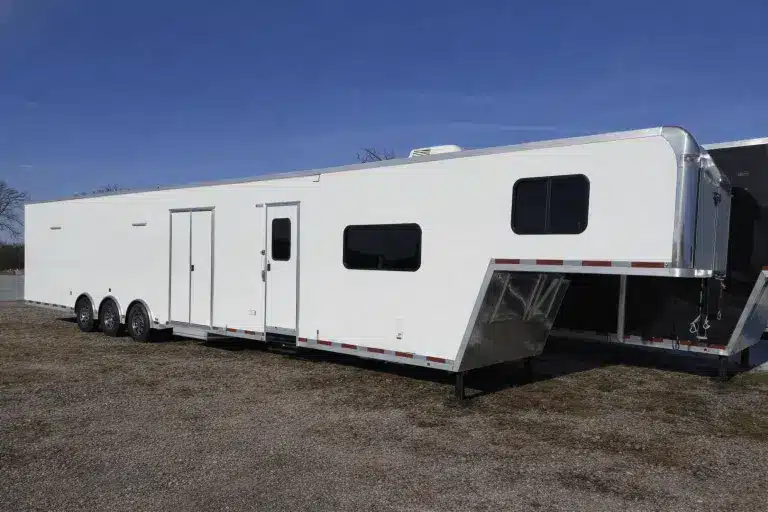

Buying a living quarters trailer is a major investment, and the fastest way to protect that investment is to follow a consistent trailer maintenance checklist.
In the first year of ownership, small issues such as dried seals, loose hardware, water leaks, and uneven tire wear can turn into expensive repairs if ignored. That is why smart buyers ask about maintenance before they buy. A good routine keeps your trailer safer to tow, more comfortable to live in, and easier to resell later.
This guide covers the best, most practical trailer maintenance tips for living quarters owners. Use it as a planning tool, whether you already own a trailer or you are comparing models and want to understand long-term ownership costs.
Why a Trailer Maintenance Routine Matters for Living Quarters
Living quarters trailers combine two things that require care:
- A road-going trailer with brakes, tires, bearings, lights, and structural components
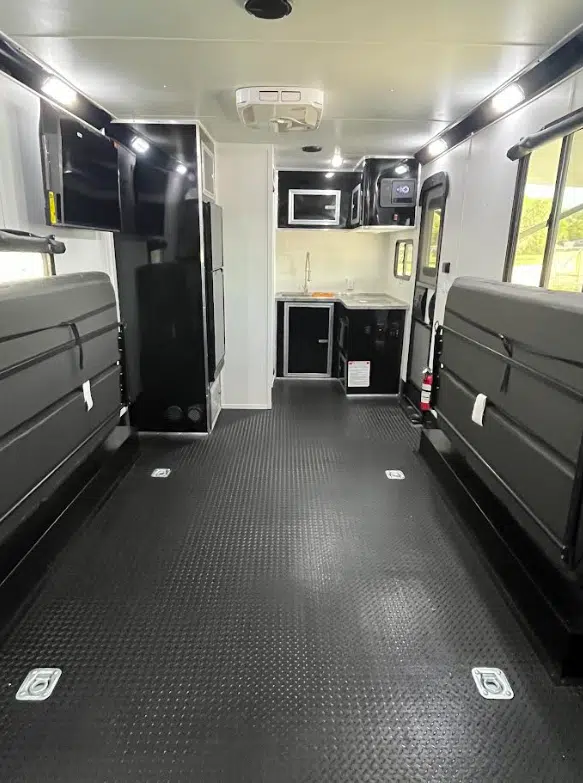
- A mini living space with plumbing, electrical, appliances, HVAC, and interior finishes
Because you are maintaining both, your routine should include maintenance items for enclosed trailers and RV-style system checks. The goal is to catch and address issues early, prevent downtime during trips, and avoid water damage – one of the most expensive problems in living quarters ownership.
A strong preventive maintenance plan also helps when you store the trailer during off-season periods. Sitting unused can cause as many problems as heavy use.
Trailer Maintenance Checklist for Safe Towing and Chassis Health
This section is the foundation of your trailer maintenance checklist. Even the nicest living quarters built are not enjoyable if the trailer does not tow safely.
Tires and Wheels
- Check tire pressure before every trip, including the spare.
- Inspect tread depth and look for uneven wear, cupping, or sidewall cracking.
- Re-torque lug nuts to manufacturer specs, especially after wheel service.
- Inspect wheels for cracks, damage, or corrosion.
Uneven wear can signal alignment or axle issues. If you see repeat patterns, address them early.
Brakes and Brake Controller Setup
- Test trailer brakes and confirm the brake controller is tuned correctly.
- Inspect wiring connections and listen for unusual brake noise.
- Schedule brake service intervals based on use, not just time.
Brake performance is a safety issue and a confidence issue. It is also a major part of proper enclosed trailer maintenance.
Wheel Bearings and Hubs
- Inspect hubs for excessive heat after towing.
- Grease or service bearings at recommended intervals.
- Check for leaks or damaged seals.
A bearing failure can ruin a trip quickly. This is one of the most important trailer maintenance tips to follow if you travel long distances.
Suspension and Frame Inspection
- Look for cracked welds, bent components, loose fasteners, or unusual sag.
- Inspect leaf springs, equalizers, shocks if equipped, and hangers.
- Confirm that coupler or gooseneck components are secure and not worn.
Enclosed Trailer Maintenance for Doors, Seals, and Water Protection
Living quarters trailers are especially vulnerable to water intrusion. A small leak can cause rot, mold, damaged flooring, and interior repairs. Consistent enclosed trailer maintenance is the best defense.
Roof and Exterior Sealant Checks
- Inspect roof seams, vents, skylights, and any penetrations.
- Look for cracked sealant, gaps, or lifting edges.
- Reseal on schedule, not only when a leak appears.
If you do not know when the roof was last serviced, assume it needs inspection immediately after purchase.
Entry Doors, Ramp Doors, and Gaskets
- Clean and condition rubber seals.
- Adjust the latches so the doors close evenly and compress the seals properly.
- Inspect ramp door cables, hinges, and spring assist systems.
Door alignment issues are common on trailers that see heavy use. Fixing them early protects the interior.
Windows, Trim, and Exterior Lights
- Check window seals for cracking or separation.
- Verify marker lights and brake lights work consistently.
- Seal around light housings if water intrusion is visible.
Trailer Preventive Maintenance for Living Quarters Systems
A living quarters trailer is part trailer and part RV. That means your trailer’s preventive maintenance needs to include plumbing, propane if equipped, electrical, and HVAC.
Fresh Water, Gray Water, and Plumbing
- Sanitize the fresh water system periodically.
- Inspect under sinks and near the water heater for slow leaks.
- Check water pump operation and listen for cycling, which can indicate a leak.
- Winterize properly if temperatures drop below freezing.
Electrical System and Battery Care
- Test outlets, GFCI protection, and shore power connection.
- Inspect battery condition and keep terminals clean.
- Verify converter or inverter operation if equipped.
- Check interior and exterior lighting regularly.
If you rely on a generator, add generator service intervals to your trailer maintenance checklist.
HVAC and Ventilation
- Clean or replace A/C filters if applicable.
- Ensure roof vents open, seal, and run smoothly.
- Confirm bathroom fan operation and airflow.
Ventilation reduces moisture buildup, which helps protect cabinets, flooring, and soft materials.
Cargo Area and Interior Care That Extends Trailer Life
Many buyers focus on the living quarters and forget the cargo area, which is where most wear occurs.
Flooring and Tie Downs
- Inspect flooring for soft spots, delamination, or fastener pull-out.
- Confirm D rings or E track mounts remain tight and secure.
- Keep the cargo floor clean to reduce abrasion and moisture retention.
Cabinet Hardware and Interior Fasteners
- Tighten cabinet hinges, latches, and drawer slides periodically.
- Lubricate locks and hinges with appropriate products.
- Repair loose trim early to prevent bigger damage over time.
These are simple but valuable trailer maintenance tips that preserve resale value.
Storage and Off-Season Checklist
If your trailer sits for weeks or months, storage prep is essential and should be part of your trailer maintenance checklist.
- Wash the exterior and clean the roof before storage.
- Remove food, clean the fridge, and leave it cracked open if recommended.
- Protect against moisture with ventilation and dehumidification as needed.
- Disconnect or maintain batteries to prevent deep discharge.
- Block and support properly if storing long-term, following safe practices.
- Cover tires from UV exposure and keep them properly inflated.
Storage mistakes often create springtime surprises. A little planning prevents costly repairs.
How Maintenance Affects Buying Decisions
If you are shopping for a living quarters trailer, ask these questions before purchasing:
- Do you have records of roof and sealant service?
- When were bearings and brakes last serviced?
- Are tires aged out even if the tread looks good?
- Has the plumbing been winterized consistently?
- Are there any signs of past leaks, staining, or soft flooring?
Buyers who treat maintenance as part of ownership from day one usually have fewer problems, lower operating costs, and a higher resale value.
Talk to Millennium Trailers About Long-Term Ownership
A living quarters trailer should be comfortable and dependable. However, this requires regular maintenance to keep it at its best quality. With a consistent trailer preventive maintenance routine, you can keep your trailer road-ready and trip-ready for years.
If you are exploring Millennium Trailers’ models and want guidance on build quality, service considerations, and what to inspect before buying, our team can assist you. Contact us online or call us at 1-800-978-7223 for more information.