

Choosing between a car hauler and a living quarters trailer isn’t just a preference; it affects how you load your trailer, how it handles on the road, how long you can comfortably travel, and what your tow vehicle must safely support.
Both trailer types serve very different purposes, even though they may look similar at first glance. While some buyers prioritize maximum cargo capacity and vehicle transport, others want a self-contained trailer that makes long trips easier and more comfortable.
In this guide, we’ll break down the key differences between car hauler trailers and standard living quarters trailers, explain where they fit among the broader types of trailers for travel, and share practical gooseneck trailer towing tips to help you tow safely once you’ve chosen the right setup.
Where Car Haulers Fit Within the Types of Travel Trailers
When people search for types of trailers for traveling, they often picture traditional RVs, such as fifth wheels or bumper-pull campers. However, many travelers, especially those attending events, races, or job sites, use trailers that combine transportation and travel needs.
In these situations, car haulers and living-quarters trailers become part of the broader “travel trailer” conversation, even though they serve different purposes.
Before comparing where they fit among travel trailer types, it helps to clearly define these two trailer categories.
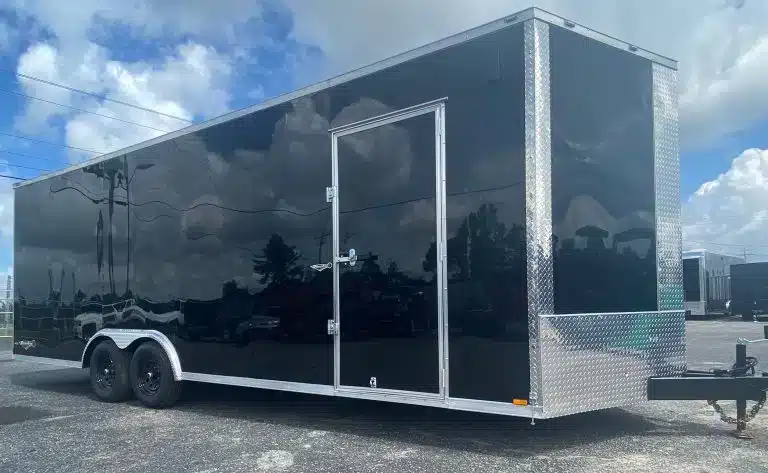
- Car Hauler Trailer: Built primarily to transport vehicles or heavy equipment. Design priorities include deck space, secure tie-down systems, loading angles, and balanced weight distribution.
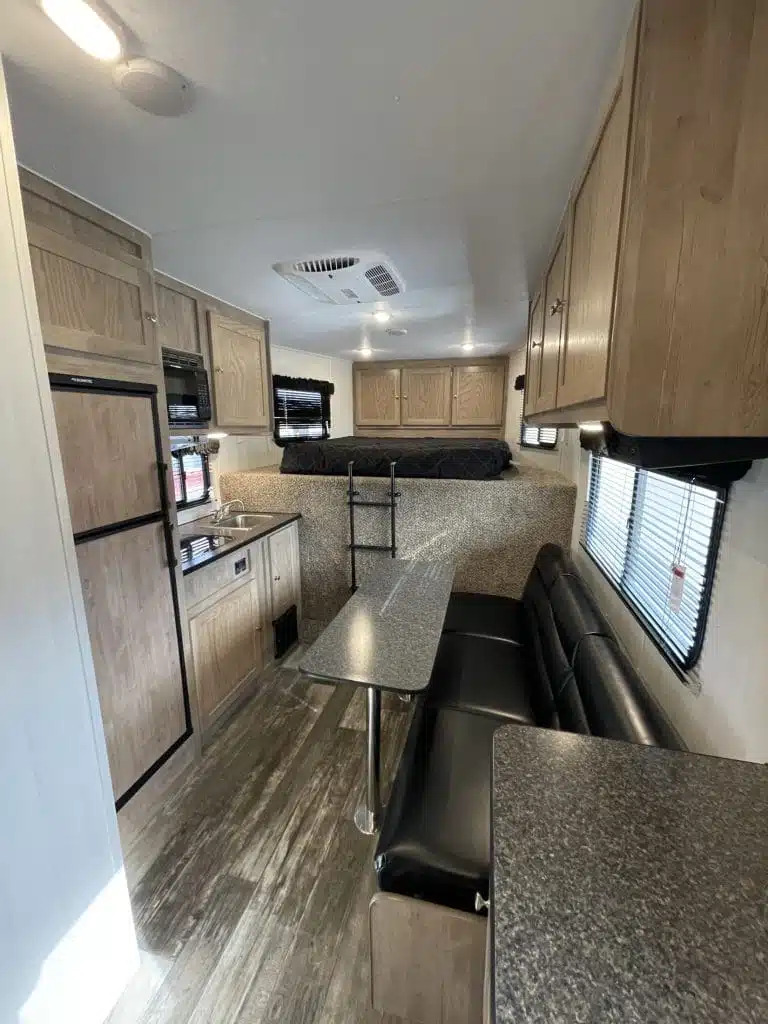
- Standard Living Quarters Trailer: Designed to provide onboard living space while still hauling equipment or cargo. These trailers commonly use gooseneck configurations with living space in the front and cargo or storage space in the rear.
While both trailer types may travel to the same destinations, they are engineered for very different priorities: one focused on cargo transport and the other on travel comfort.
Common types of travel trailers include:
- Conventional Travel Trailers (Bumper-Pull RVs): Self-contained living space towed behind a hitch
- Fifth-Wheel Trailers: Larger RVs with a kingpin hitch mounted in the truck bed
- Toy Haulers: RVs with both living space and a rear garage area for vehicles
- Car Haulers (Open or Enclosed): Trailers focused primarily on vehicle transport
- Living Quarters Gooseneck Trailers: Trailers with living space in the front and cargo or storage space behind
Key Takeaway: A car hauler can still be part of a travel setup when your trips revolve around events, racing, shows, or work travel, but it doesn’t provide the onboard living amenities of traditional RV trailers.
Car Hauler Trailers: Purpose-Built for Vehicle Transport
A car hauler is designed around one primary goal: transporting vehicles safely and efficiently.
Typical features include:
- Long flat deck designs (open trailers) or fully enclosed box trailers
- D-rings, E-track systems, or reinforced tie-down rails
- Low approach angles or dovetail decks for easier loading
- Winch plates or winch-ready mounting points
- Ramp doors, fold-down ramps, or slide-out ramps
- Optional tool cabinets, tire racks, or storage systems
Best suited for
- Motorsports and track events
- Classic car transport
- Contractors moving equipment or vehicles
- Buyers who prioritize maximum cargo length and flexible tie-down options
Trade-offs
- Usually no built-in bathroom, kitchen, or sleeping space
- Longer decks can make tight maneuvering more challenging
- Enclosed haulers create more aerodynamic drag and require higher tow capacity
Standard Living Quarters Trailers: Comfort and Utility
A standard living quarters trailer is built for people who spend extended time traveling and want the convenience of onboard living amenities.
These trailers are commonly found in gooseneck configurations, where the living space sits above the hitch area, and the rear section is used for storage, gear, or equipment.
Typical living quarters features include:
- Front sleeping area (often in the gooseneck “nose”)
- Heating and air-conditioning systems
- Fresh, grey, and sometimes black water tanks
- Kitchenette or small kitchen area
- Bathroom options such as wet baths or separate showers
- Closets, cabinets, and pantry storage for travel living
Best suited for
- Multi-day events or competitions
- Travelers who want a self-contained basecamp
- Anyone who values comfort, rest, and hygiene during long trips
Trade-offs
- Higher purchase cost
- More mechanical systems to maintain (plumbing, electrical, appliances)
- Increased trailer weight that affects towing capacity and braking requirements
- Less pure cargo length than a dedicated car hauler
Toy Hauler vs. Living Quarters vs. Car Hauler (A Simple Comparison)
If you’re deciding between these trailer types, this simplified comparison can help clarify the differences.
- Car Hauler: Vehicle transport first, little or no living space
- Toy Hauler: RV-style living space plus a rear garage for vehicles
- Living Quarters Trailer: Utility trailer structure with integrated living space (commonly gooseneck)
Buyers who need both vehicle transport and living space often compare toy haulers and living-quarters trailers to determine which layout better fits their towing setup and travel style.
Types of Travel Trailers: Which One Matches Your Use Case?
The right trailer type depends on how you actually travel.
Choose a car hauler if you:
- Primarily transport a vehicle and don’t need an onboard living space
- Want maximum deck length and tie-down flexibility
- Stay in hotels or have event facilities available
Choose a standard living quarters trailer if you:
- Spend multiple days on the road (or at events)
- Need a bathroom/shower, sleep space, and climate control
- Want to reduce hotel costs and travel downtime
Choose a hybrid/toy hauler style if you:
- Need both a dedicated garage space and RV-style living
- Want a single unit that does “both jobs” in a familiar RV format
Gooseneck Trailer Towing Tips for Either Trailer Type
Whether you’re towing a car hauler or a living quarters trailer, the basic towing principles remain the same. However, living quarters trailers typically introduce additional weight and onboard systems that require extra planning.
Practical gooseneck trailer towing tips include:
Know your real weights
Confirm the trailer’s GVWR, estimated loaded weight, and your truck’s payload limits.
- Pay Attention to Pin Weight: Gooseneck trailers place significant weight in the truck bed, making payload capacity a key limiting factor.
- Adjust Your Brake Controller Properly: Test braking at low speeds and adjust the controller gain for the actual load.
- Check Tire Pressure Before Every Trip: Underinflated trailer tires are one of the most common causes of trailer blowouts.
- Take Wider Turns and Plan Fuel Stops: Long trailers track differently, so choose pull-through fuel stations whenever possible.
- Perform Walk-Around Inspections: At every stop, check:
- Tires and lug areas for heat
- Hitch and coupler connections
- Lights and wiring
- Tie-down straps or chains
Additional Tip for Enclosed Car Haulers: Large flat trailer walls can catch crosswinds, so reducing speed during windy conditions improves stability.
Additional Tip for Living Quarters Trailers: Secure interior items and keep heavy gear low to prevent shifting weight that could affect handling.
Costs, Maintenance, and Ownership Differences
Ownership responsibilities vary depending on the trailer type.
Car hauler ownership typically focuses on:
- Tire and brake wear (especially with heavy vehicles)
- Ramp door and hardware maintenance (enclosed units)
- Tie-down systems and floor or deck condition
Living quarters trailer ownership adds additional maintenance, such as:
- Plumbing winterization and leak prevention
- Appliance maintenance
- Battery and electrical system checks
- Roof vents, seals, and interior components
Because living quarters trailers contain more systems, they require a maintenance routine closer to that of an RV.
FAQs
Which is safer to tow: a car hauler or a living quarters trailer?
Both can be safe when properly matched to the tow vehicle and loaded correctly. Living quarters trailers tend to weigh more, while enclosed car haulers can be more affected by wind.
Can a car hauler be considered one of the types of travel trailers?
In a broad sense, yes. Car haulers often travel long distances to events or work sites. However, they don’t provide onboard living amenities unless they are designed as toy haulers.
The Difference Comes Down to Your Travel Priorities
Car hauler trailers maximize vehicle transport efficiency and cargo capacity. Standard living quarters trailers maximize comfort, convenience, and self-sufficiency during travel.
Once you determine which type of trailer fits your needs, consistent towing practices, such as monitoring weight, adjusting brake settings, maintaining tire pressure, and performing regular inspections, will help ensure every trip is safe and reliable.
Choosing between a car hauler and a living quarters trailer can feel overwhelming, especially when towing capacity, layout options, and travel needs all factor into the decision. Our team at Millennium Trailers can help you compare trailer types, understand towing requirements, and find the right setup for how you travel and haul.
Call us today or contact us online to learn more about our trailer options. We’re here to help you find the trailer that fits your vehicle, your cargo, and the way you travel.